Life on Lewis Street in the 1920s

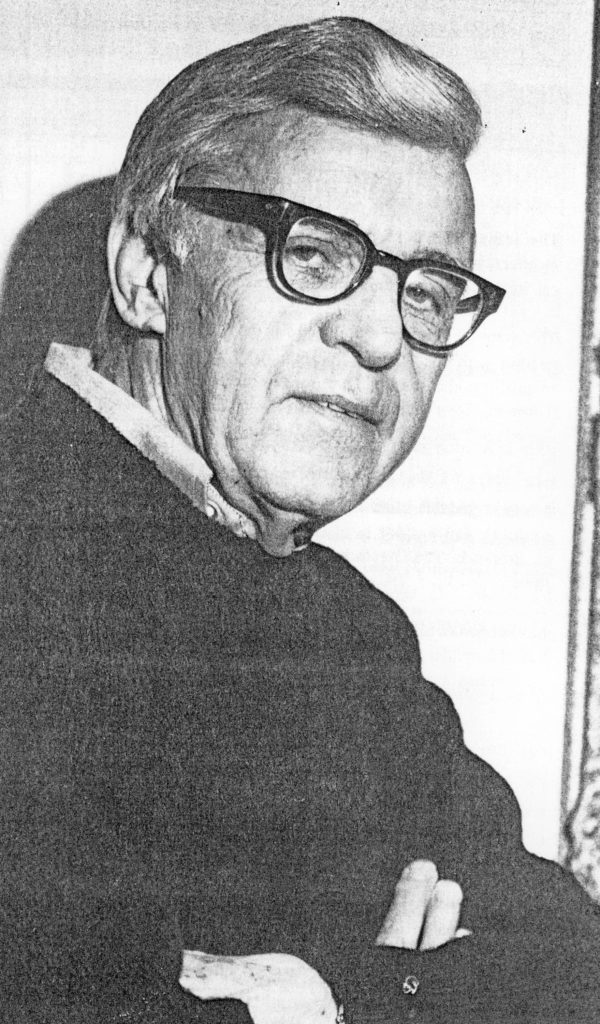
His home “which was not a new house” had a shop in its front. “At that time it was Doc Fowler’s vulcanizing shop, where they vulcanized automobile tires…And the roar that these machines made and the smell of the rubber was pretty repulsive. But that didn’t remain for too long that I remember; around 1922 it was replaced by a battery shop for automobiles.”
On the south side of the street was Cole’s Automobile Agency that sold Wills Sainte Claires, classic cars that were manufactured between 1921 and 1927. Next door was Clark’s garage where you could fuel, repair, wash and store your car. There was one gasoline pump “that you turned by hand and measured out a gallon of gas. Then you turned it back and measured out another gallon of gas…Everybody who had a car took care of it, I guess because there weren’t many at that time.” Between Nicholson’s house and Clark’s garage was “this great big open field and a tremendous big hay and feed barn, which was Timothy Loughlin’s’ Feed and Grain Store.” In the early 1920s, goods like milk, bread, ice and coal were still delivered by horse and wagon.
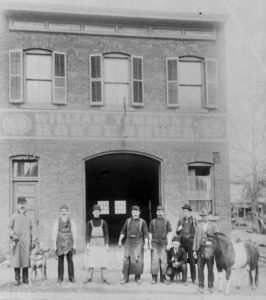
There were many diversions on Lewis Street to keep a young boy’s interest and imagination active. On the north side of Lewis Street were two blacksmith shops, William Timmons’ and Seth Mead’s. In between, was Kirhoffer’s ironwork shop which serviced carriages. Nearby, was the shoemaker Tony Ginto.
“We learned an awful lot of things as kids because you always could go into the blacksmith’s shop and you could stand around and watch…You’d see them shoeing horses and glad to have you there and watch the sparks flying…Or you could go into the shoemaker’s and sit down and watch him cut the leather to make a sole on a shoe and sew it and glue it…We could go in the battery shop and watch them. You could go in the garage and watch them tear apart a car, and you could watch them vulcanize a tire…You were in things. You were never at a loss for something to do.”
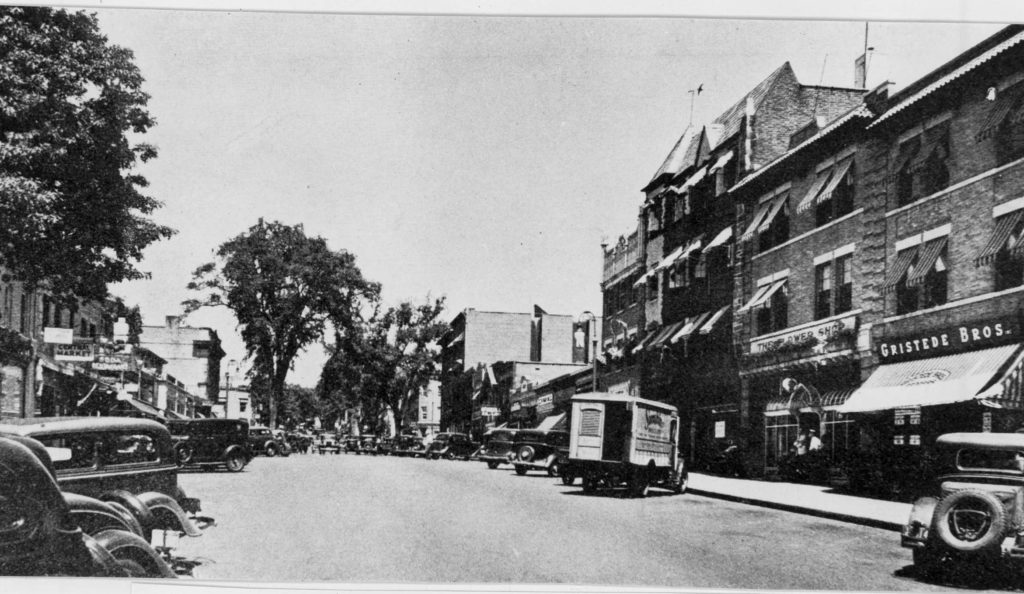
One of Nicholson’s favorite childhood amusements was going to the silent movies at the Greenwich theater. There were two organists who would play during the film, one of whom, Russell Green, was also the organist at St. Mary Church. “If it was Rudolph Valentino in Blood and Sand, there was a score that went with that, and it fit in with the action.”
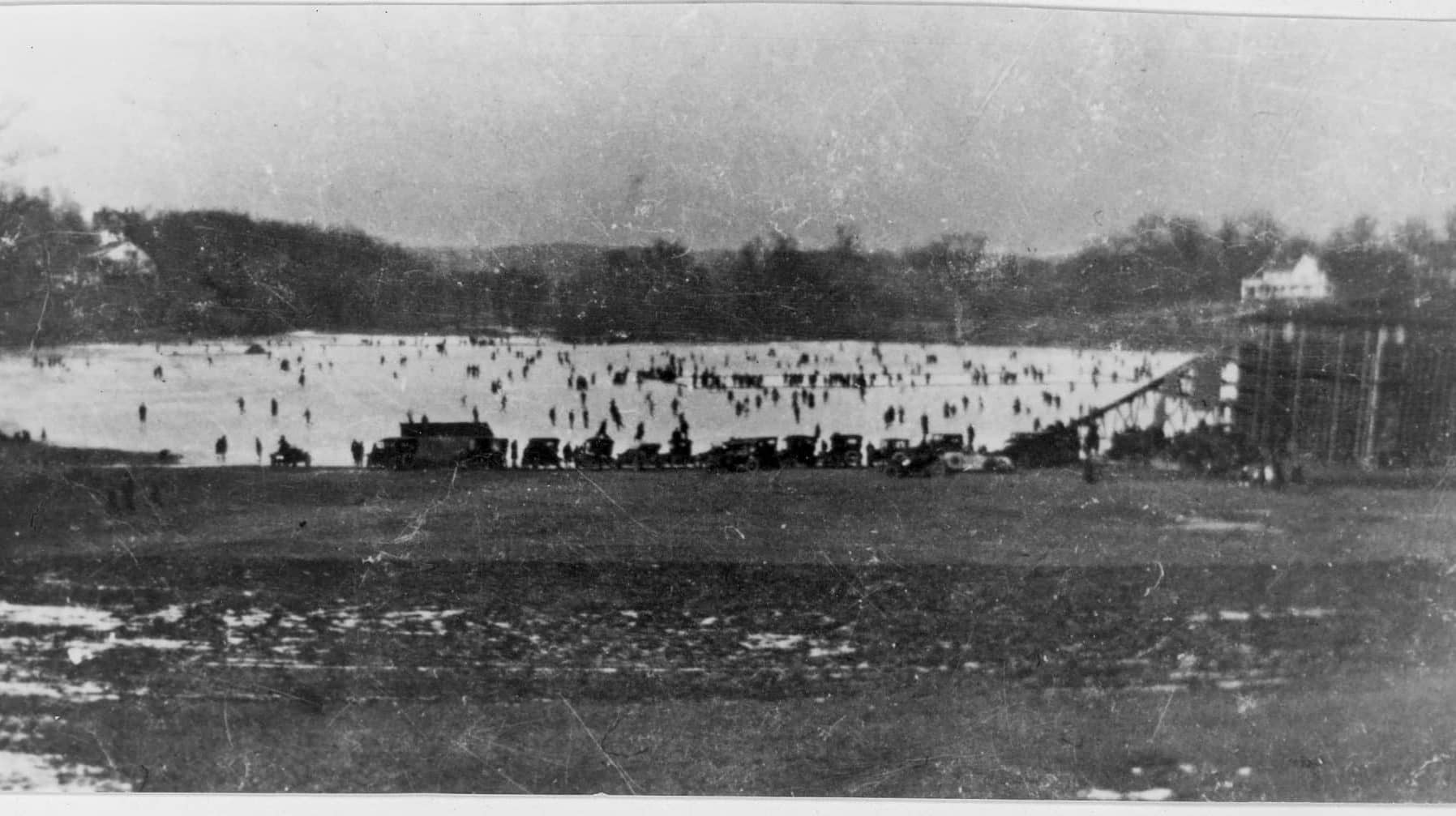
There were also simple games like putting pennies on the trolley tracks before the trolley crushed them into different shapes. “And stickball, all you needed was an old broomstick and a saw…You sawed off one piece about six inches and that was your ball. At night we’d play cops and robbers and hide and seek. Hide and seek was a good way to get away from the front door… I can remember as a kid, my mother saying, ‘Don’t go away from that door,’ and I didn’t. I’d just stay right there on the curb and that’s where I saw the world go by. Great, great entertainment.”
After graduating from Greenwich High School, Nicholson attended Middlebury College, the University of Grenoble and, as a Fulbright Scholar, the Sorbonne at the University of Paris. He began teaching French at Greenwich Country Day School in 1956.
The transcript of the interview, “Growing Up on Lewis Street in the 1920s” may be read at Greenwich Library and is available for purchase at the Oral History Project Office. The OHP is sponsored by Friends of Greenwich Library. Visit the website at glohistory.org.
Mary A. Jacobson, OHP blog editor.

No comments:
Post a Comment